
You think you know Japanese culture from anime and sushi restaurants? Think again. Japan is home to some of the most bizarre superstitions and hidden traditions that will leave you questioning everything you thought you understood about this fascinating country.
If you’re planning to visit Japan, doing business there, or simply curious about what really goes on behind the polite bows and perfect manners, you need to know about these shocking customs that most foreigners never hear about. These aren’t your typical tourist guidebook tips these are the deep, sometimes eerie beliefs that actually control how millions of Japanese people live their daily lives.
You’ll discover why an entire nation avoids a simple number so intensely that it literally shapes their architecture and city planning. We’ll explore the strange ritual where ordinary people suddenly hide parts of their body when certain vehicles pass by a practice so widespread that you’ll see it happening on any busy street. Plus, you’ll learn about seemingly innocent daily activities that Japanese people believe could actually kill you if done at the wrong time.
These seven hidden Japanese customs reveal a side of the culture that goes far beyond what most visitors ever experience, showing you the supernatural beliefs and ancient fears that still influence modern Japanese society today.
The Deadly Number Four That Controls Japanese Architecture

Why the pronunciation “shi” creates fear in daily life
When you first encounter Japanese superstitions, you’ll discover that the number four holds an almost paralyzing power over daily decisions. The fear stems from a simple but profound linguistic coincidence: the Japanese pronunciation of four (四, “shi”) sounds identical to the word for death (死, “shi”). This isn’t merely a casual similarity they’re pronounced exactly the same way, creating an unavoidable association that has shaped Japanese culture for centuries.
You’ll notice this fear extends far beyond the basic number four. Through Japanese wordplay called goroawase, multiple combinations involving four become equally terrifying. When you hear “24,” it can sound like “nishi” (double death), while “42” transforms into “shini” (meaning “to death”). Even more chilling, “43” can become “shisan,” which sounds like “shizan” (stillbirth), and “45” resembles “shigo” (after death). The number “49” carries perhaps the most ominous interpretation, potentially meaning “to suffer until death.”
This linguistic terror didn’t originate in Japan it traveled from China along with kanji characters and cultural practices. As you can see from the pronunciation patterns across Asian languages, the similarity between “four” and “death” appears consistently: Korean uses “sa” for both concepts, while Chinese dialects show only tonal differences between the words. Your understanding of this superstition reveals how deeply language shapes cultural fears and daily behavior.
How buildings skip entire floors to avoid bad luck
You’ll find some of the most dramatic examples of tetraphobia when you step into Japanese elevators and examine building floor plans. Many apartment buildings, hospitals, and commercial structures completely omit the fourth floor, with elevators jumping directly from the third to the fifth floor. This practice mirrors Western buildings that skip the thirteenth floor, but in Japan, the avoidance often extends much further.
In extreme cases, you’ll encounter buildings that eliminate all floors numbered in the forties meaning floors 40 through 49 simply don’t exist. Some structures even avoid any floor number containing the digit four, creating a complex numbering system that can confuse unsuspecting visitors. When you examine parking lots and room numbers, you’ll notice similar gaps where the number four should appear.
The practice varies in intensity across different types of buildings. You’ll observe that hospitals and funeral halls almost universally avoid the number four, as the association with death feels particularly inappropriate in these settings. Some buildings compromise by labeling the fourth floor as “F” (for “Four”) instead of using the numeral, attempting to minimize the psychological impact while maintaining sequential numbering.
This architectural avoidance creates practical complications you might not expect. Buildings can have significantly fewer actual floors than their highest floor number suggests a structure labeled as having 100 floors might contain only 80 actual levels when you account for all the skipped numbers containing fours.
Gift-giving taboos that could offend your Japanese hosts
Your gift-giving choices become critically important when you understand Japanese tetraphobia, as presenting four of anything can deeply offend your hosts. This taboo extends to any quantity that includes the number four whether you’re offering four flowers, four pieces of fruit, or four decorative items. Instead, you should always opt for three or five of something, which carry positive connotations and demonstrate cultural awareness.
The implications go beyond simple counting. When you’re selecting gift sets or packaged items, you’ll need to carefully examine the quantities involved. A beautifully presented box containing four pieces of anything from chocolates to tea cups can transform your thoughtful gesture into an inadvertent death wish. This concern influences Japanese retailers as well, who often avoid creating four-piece gift sets for domestic customers.
You’ll also want to consider monetary gifts, where amounts containing four can cause similar distress. Wedding gifts, business offerings, or casual presents involving money should avoid figures like 4,000 yen, 40,000 yen, or any amount prominently featuring the unlucky digit. Your awareness of these numerical taboos demonstrates respect for deeply held cultural beliefs.
The superstition affects timing as well. You should be particularly cautious about gift-giving on the fourth day of any month, as this compounds the negative associations. Some Japanese hosts might even feel uncomfortable receiving any gift on these dates, regardless of the quantity involved, making your cultural sensitivity essential for maintaining positive relationships.
The Strange Thumb-Hiding Ritual When Hearses Pass By
Protecting Your Parents Through the “Parent Finger” Superstition
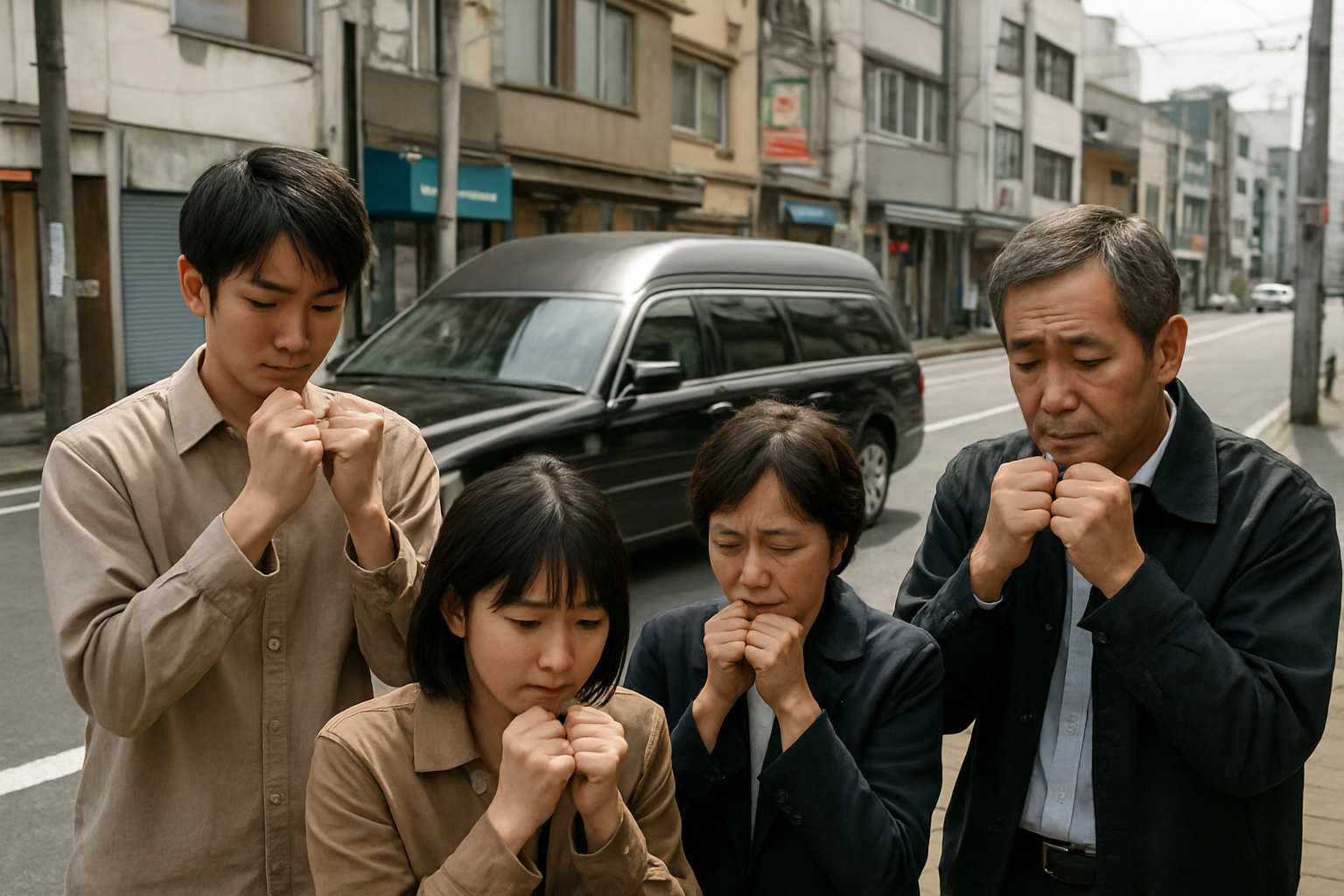
When you find yourself walking down a Japanese street and spot a hearse approaching, you’ll notice something peculiar happening around you. People suddenly ball their hands into fists, carefully tucking their thumbs inside their palms. This isn’t random behavior it’s a deeply rooted superstition designed to protect your parents from death.
The practice stems from the Japanese word for thumb, “oya yubi” (親指), where “oya” means parent and “yubi” means finger. Your thumb is literally considered the “parent finger,” creating a spiritual connection between this digit and your parents’ wellbeing. According to traditional belief, when a hearse passes by, the spirits of the deceased still reside within their bodies, searching for suitable hosts to enter. These spirits supposedly slip into living people through the tiny space beneath their thumbnails.
By hiding your thumb inside your wrapped palm, you’re creating what believers consider a magical shield against these wandering spirits. The gesture serves as a protective barrier, preventing any malevolent forces from entering your body and, by extension, harming your parents. While modern science offers no evidence supporting spirit transmission through thumbnails, this superstition reflects something much deeper about Japanese culture.
Cultural Significance of Family Duty in Modern Japan
This thumb-hiding ritual reveals the profound respect and unwavering sense of duty that you’ll encounter throughout Japanese society, particularly regarding family relationships. The fear of losing one’s parents runs so deep that it has manifested into this physical, protective gesture a tangible way to demonstrate care and concern for parental welfare.
Your understanding of this custom opens a window into the Japanese concept of filial piety, where children bear responsibility for their parents’ wellbeing throughout life. The superstition highlights how the Japanese maintain constant mindfulness about family bonds, incorporating protective rituals into their daily routines. Even something as simple as encountering a hearse becomes an opportunity to express love and duty toward parents.
This belief system demonstrates Japan’s remarkable attention to detail and the seamless integration of spiritual practices into everyday life. When you observe this behavior, you’re witnessing how heritage and familial responsibility remain woven into contemporary Japanese customs, even as modernization continues to reshape society.
How to Perform This Gesture Without Looking Foolish
If you want to participate respectfully in this cultural practice during your time in Japan, the technique is surprisingly simple. When you spot a hearse approaching, quickly curl your fingers into loose fists, ensuring your thumbs are completely tucked inside your palms. The movement should be subtle and natural avoid making it obvious or dramatic, as this might draw unwanted attention.
You don’t need to maintain the position for long; just keep your thumbs hidden until the hearse passes completely out of view. The gesture works best when performed discretely, allowing you to show cultural awareness without appearing theatrical or mocking the tradition.
Remember that while younger generations may not strictly observe this practice, many older Japanese people still take it seriously. By participating thoughtfully, you demonstrate respect for local customs and show that you’ve taken time to understand Japanese cultural nuances. This small act of cultural sensitivity can enhance your interactions with Japanese friends, colleagues, or acquaintances who appreciate foreigners making efforts to honor their traditions.
Why Cutting Your Nails at Night Could Shorten Your Life
The linguistic connection between night grooming and death
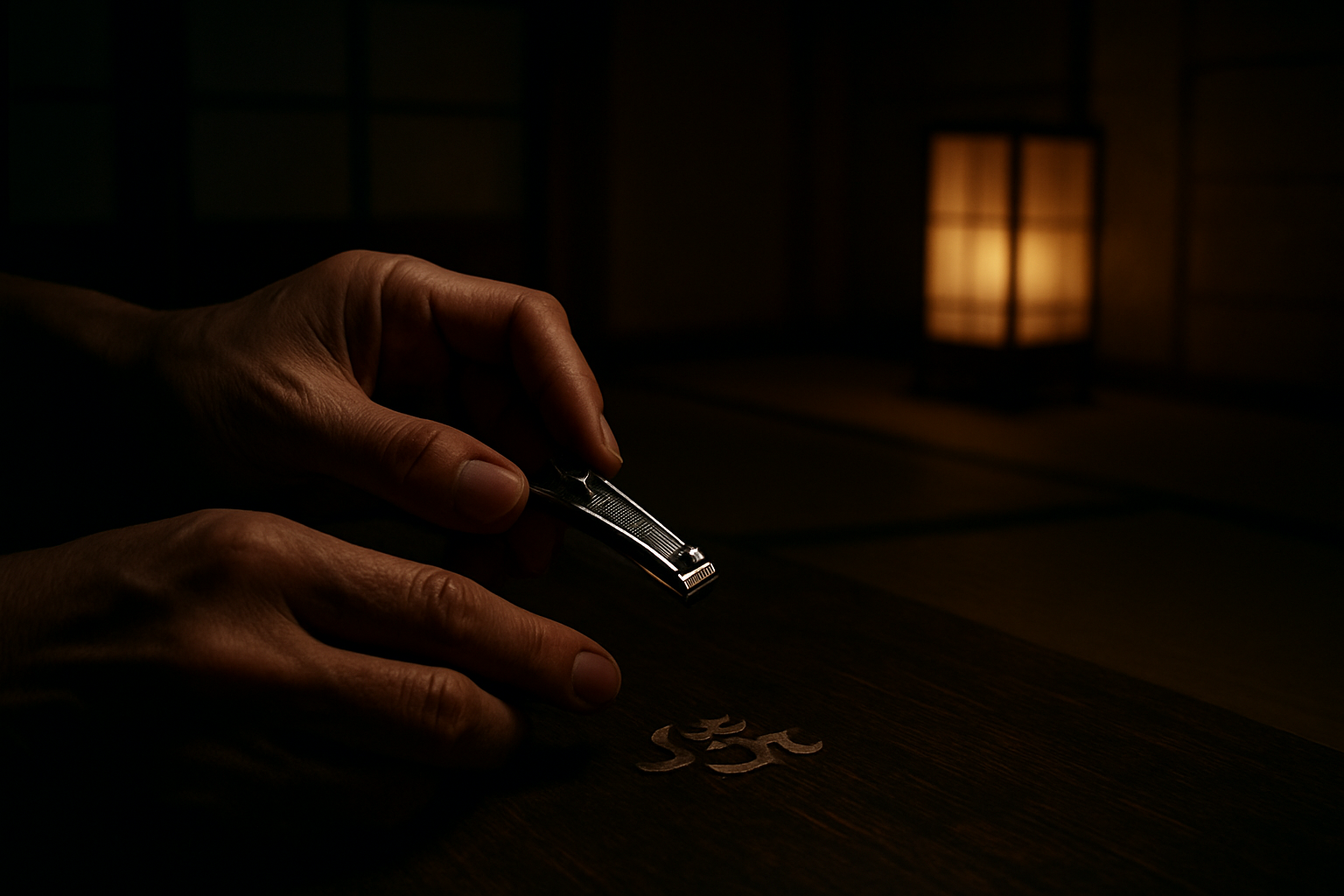
When you delve into Japanese folklore beliefs, you’ll discover that one of the most unsettling superstitions revolves around a simple daily task – cutting your nails. The Japanese phrase “yotsume” creates a chilling linguistic connection that has shaped generations of behavior. This word means cutting nails at night, but here’s where the superstition becomes truly shocking: a different kanji character set that shares the exact same pronunciation also means “dying early, before one’s parents.”
This linguistic coincidence isn’t merely academic – it forms the foundation of a deeply held belief that if you cut your nails at night, you will die before your parents. For Japanese families, this represents the ultimate tragedy, as parents witnessing their children’s death goes against the natural order of life. The wordplay creates such a powerful psychological connection that many Japanese people still avoid nighttime nail cutting entirely.
Historical safety reasons that shaped this superstition
Now that we understand the linguistic roots, you need to appreciate the practical wisdom embedded in this strange Japanese custom. The superstition didn’t emerge from pure superstition alone – it developed from very real safety concerns in pre-modern Japan.
Before electric lighting transformed Japanese households, cutting your nails at night meant working in darkness or by flickering candlelight. Under these conditions, you faced genuine risks of accidentally cutting your fingertips, leading to potentially dangerous bleeding. While the reference material acknowledges that dying from a cut finger would be “most unusual” since no major arteries run through fingers, the historical context reveals legitimate concerns about infection and sepsis.
In an era without modern medical care or antibiotics, even minor wounds could become life-threatening if bacteria entered your bloodstream. Your immune system’s overreaction to infection could trigger sepsis, lower blood pressure, and cause organ malfunction. These weren’t abstract fears but real dangers that Japanese families wanted to prevent through this cultural taboo.
How younger generations are abandoning old grooming rules
With modern lighting and medical advances, you’ll find that contemporary Japanese society increasingly questions these traditional restrictions. Younger generations, armed with electric lights and better understanding of hygiene, are gradually abandoning these old grooming rules that once governed their ancestors’ lives.
However, the cultural impact of these Japanese traditions that shock foreigners remains significant. Many young Japanese people still feel uncomfortable cutting their nails after dark, even when they rationally understand the practical origins of the superstition. This demonstrates how deeply these Japanese cultural taboos can influence behavior, persisting long after their original practical purposes have become obsolete.
The lesson embedded in this custom extends beyond nail cutting – it teaches children to be careful with cutting tools like knives and scissors. Since children naturally mimic adults and frequently observe cutting activities in daily life, this superstition serves as a broader safety reminder about handling sharp objects responsibly.
The Animal Transformation Warning That Promotes Healthy Habits
Folk wisdom that prevents post-meal laziness
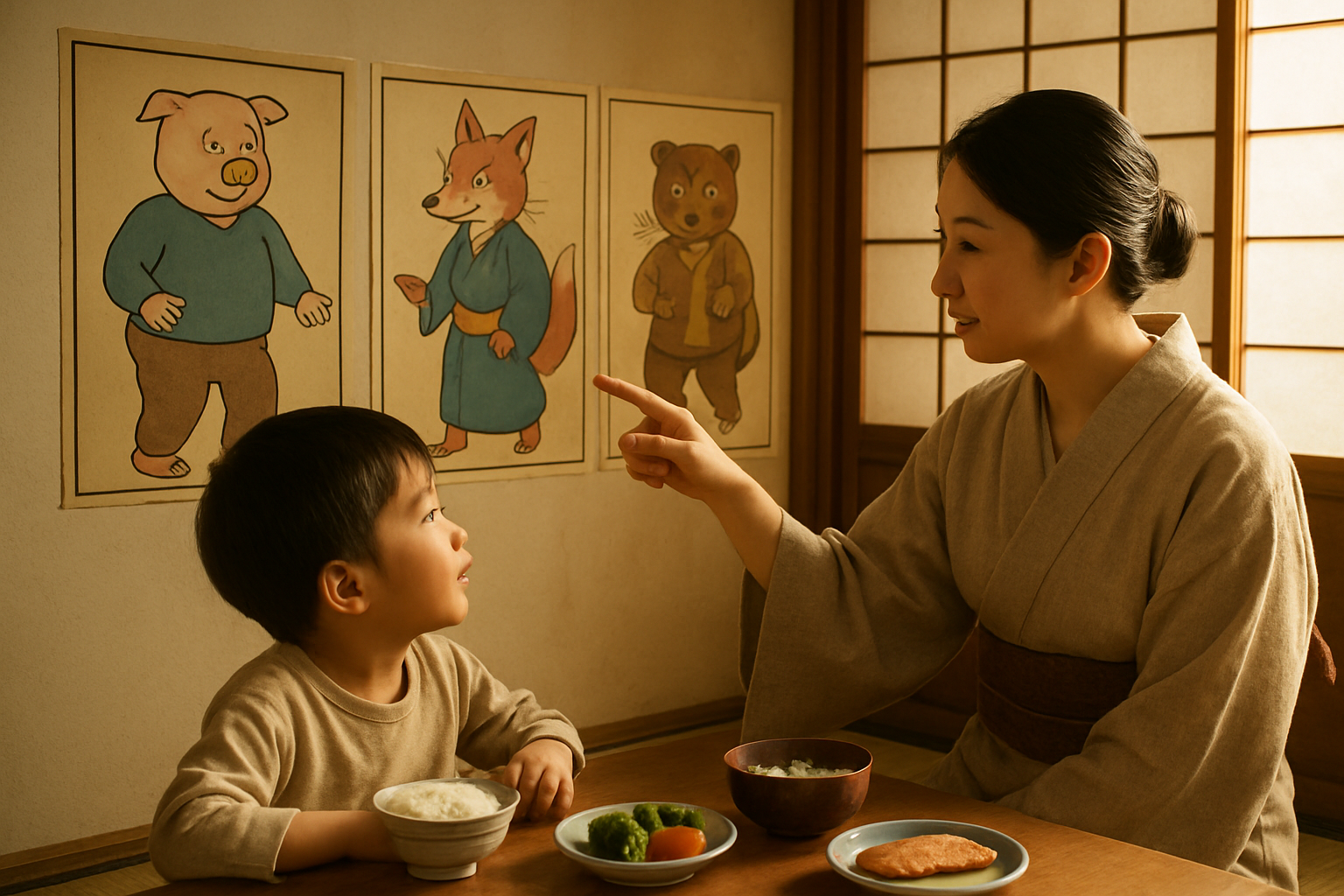
When you visit Japan, you’ll quickly discover that lying down immediately after eating carries an unexpected consequence according to Japanese folklore – you’ll transform into a cow. This peculiar Japanese superstition serves as more than just an amusing tale; it’s a clever form of folk wisdom designed to prevent laziness and promote proper behavior after meals.
The transformation warning specifically targets the natural human tendency to become sluggish after eating. Rather than allowing yourself to simply collapse and rest immediately following a meal, this strange Japanese custom encourages you to remain upright and active. Japanese parents have used this superstition for generations to discipline children who display poor post-meal etiquette, essentially telling them “You’ll look sloppy. Don’t lie down, be proper.”
How fear of becoming livestock encourages active lifestyles
Your fear of bovine transformation, while seemingly irrational, actually promotes healthier digestive habits. When you lie down immediately after eating, your digestive system becomes less active, particularly if you fall asleep right away. This can lead to stomach discomfort and poor digestion, making the superstition surprisingly practical despite its fantastical nature.
This Japanese cultural practice effectively uses psychological motivation to encourage physical activity after meals. By threatening an undesirable transformation, the superstition nudges you toward maintaining an upright posture and staying mobile, which naturally aids digestion and prevents the lethargy that often follows heavy meals.
Cultural values hidden in seemingly silly superstitions
Behind this seemingly absurd belief lies a deeper reflection of Japanese cultural values emphasizing discipline, proper behavior, and health consciousness. The cow transformation superstition represents how Japanese traditions embed practical life lessons within memorable, if bizarre, warnings.
This hidden Japanese custom demonstrates the culture’s sophisticated approach to behavioral modification through storytelling. Rather than simply stating medical facts about digestion, Japanese folklore creates vivid, memorable imagery that sticks with you long after the meal ends. The superstition reveals how Japanese society values active lifestyles over laziness, using the unflattering comparison to livestock as motivation for better habits.
Even though modern Japanese people understand this superstition lacks scientific basis, many still find themselves unconsciously avoiding post-meal lounging, proving the lasting power of these Japanese folklore beliefs in shaping behavior across generations.
When Everyday Objects Become Sacred Spirits
The Shinto belief that gives life to inanimate things
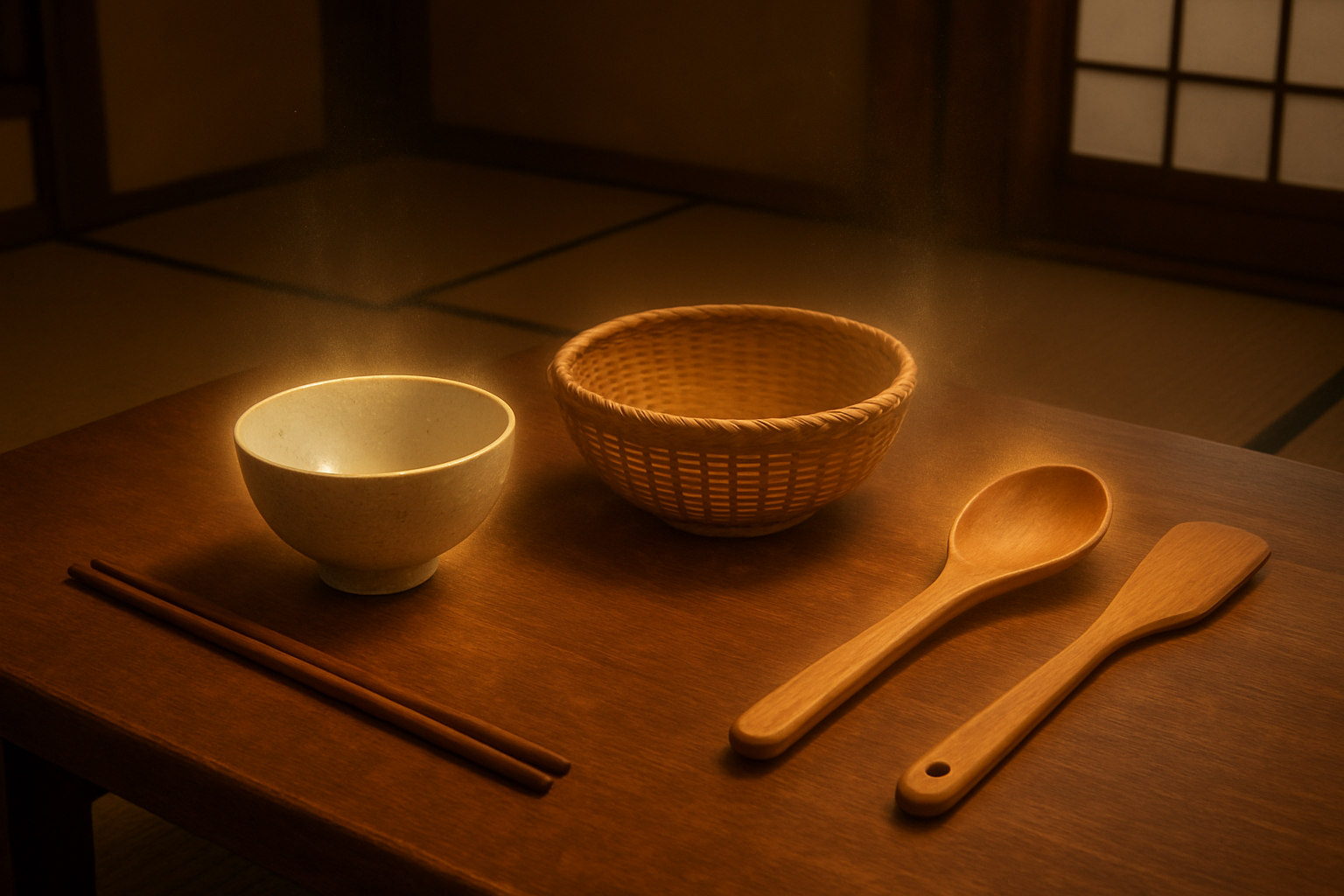
You might find it shocking to discover that in Japan, your everyday household items are believed to possess souls. This concept stems from tsukumogami, a fascinating aspect of Japanese folklore where objects can develop spirits after reaching 100 years of age. The belief originates from Shingon Buddhism and has become deeply integrated into Shintoism, teaching that seemingly lifeless objects can be “animated” and transformed at any time because they possess souls.
According to traditional Japanese belief, when you own and use an object for nearly a century, it can acquire supernatural abilities and potentially become a kami (spirit being) if honored and respected properly. However, if you neglect or carelessly discard these aged items without showing proper reverence, they transform into vengeful spirits called yokai. These tsukumogami can range from harmless pranksters seeking attention to bloodthirsty monsters exacting cruel revenge on their former owners.
You’ll find that virtually any household item can become a tsukumogami – lanterns, tea kettles, futons, umbrellas, musical instruments, and even clothing. What’s particularly striking is that modern folklore only brings to life handmade artifacts that don’t require electricity, reflecting Japan’s desire to preserve traditional values. This belief system teaches you that all objects deserve respect and care throughout their lifespan.
Doll funeral ceremonies that honor discarded toys
When you need to dispose of old or broken items in Japan, you’ll encounter the remarkable practice of kuyo ceremonies – formal rituals that honor objects before they’re discarded. These Buddhist ceremonies are specifically designed to prevent tsukumogami from forming in your home by showing proper respect to items that have served you faithfully.
You can witness this custom in action when Japanese families take their old furniture, wardrobes, dolls, and musical instruments to nearby shrines before disposing of them. The items undergo a dignified farewell ceremony where they’re blessed before being given away or placed in bulky waste collection. This practice ensures that the spirits within these objects are properly honored rather than abandoned carelessly.
One particularly touching example you might observe involves broken or worn knitting needles. Rather than simply throwing them away, Japanese tradition involves embedding these needles in tofu cubes and bidding them a respectful goodbye. This demonstrates the deep cultural belief that even the smallest tools deserve recognition for their service.
The ceremony tradition has its roots in the early 13th century and connects to the broader Susuharai festival, where houses undergo thorough cleaning both for purification and ritual purposes. During this time, you’ll see older Japanese people especially taking great care to properly honor items before replacement, maintaining this ancient practice of spiritual respect.
How spiritual respect reduces wasteful consumption
You’ll discover that the tsukumogami belief system serves as a powerful environmental philosophy that naturally discourages wastefulness. When you believe that objects can develop souls and potentially seek revenge if mistreated, you’re far more likely to care for your possessions properly and avoid unnecessary consumption.
This spiritual framework encourages you to maintain and repair items rather than replacing them carelessly. The fear of creating vengeful spirits motivates people to extend the lifespan of their belongings through proper care and maintenance. You’re essentially taught to view consumption through a lens of spiritual responsibility, where every purchase carries the weight of future stewardship.
The concept connects directly to the Japanese principle of mottainai, which expresses regret over waste. When tsukumogami become angry and band together to take revenge, it’s specifically because they’ve been treated wastefully or thrown away thoughtlessly. This creates a cultural deterrent against the throwaway mentality that plagues modern consumer societies.
You’ll find that this belief system naturally promotes mindful consumption patterns. Before acquiring new items, you must consider whether you can provide them with the respect and care they deserve throughout their potential century-long lifespan. This spiritual accountability creates a built-in check against impulse buying and encourages you to choose quality items that can be properly maintained and honored over time.
Chopstick Mistakes That Invoke Death and Dishonor
Why standing chopsticks upright horrifies Japanese diners
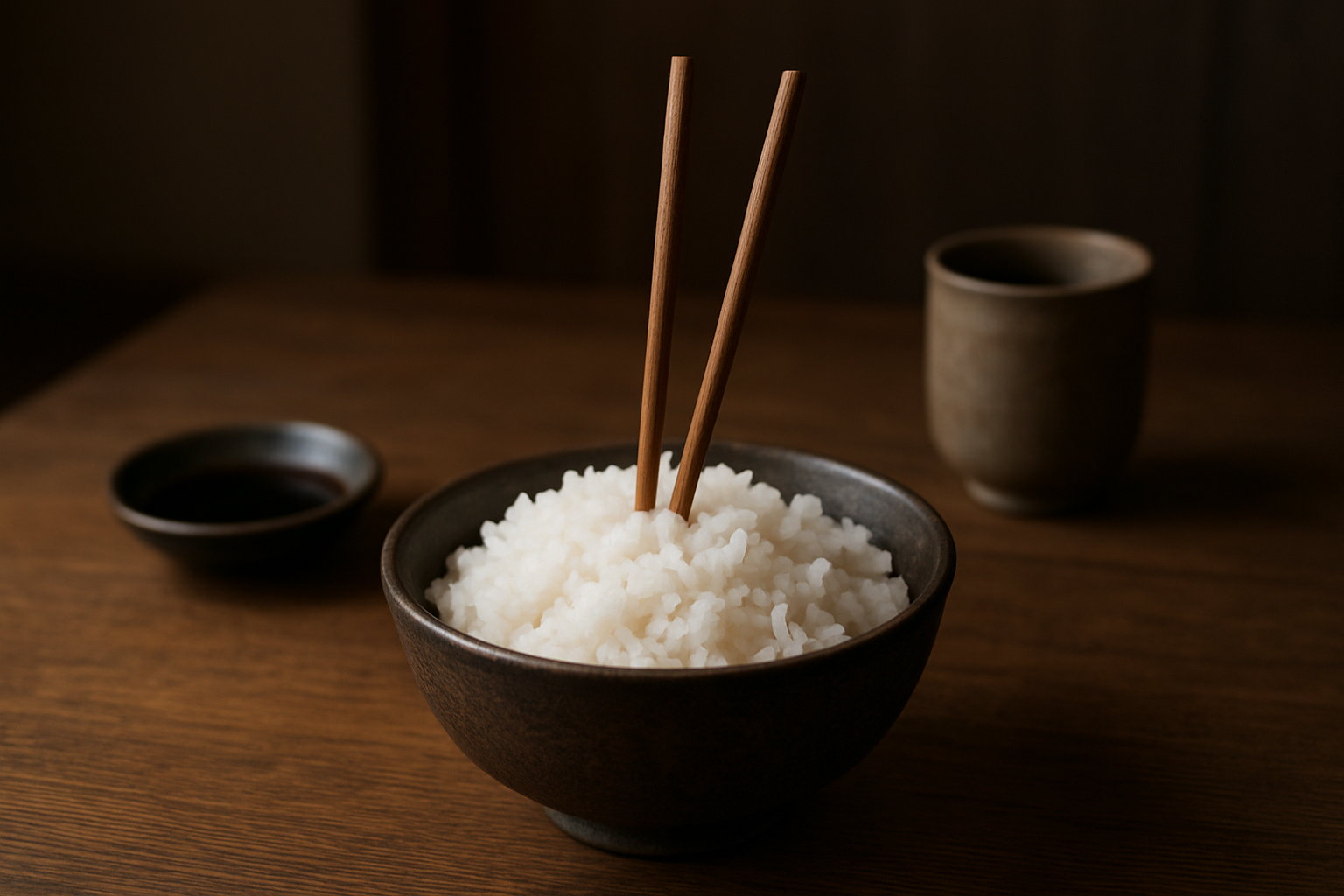
When you stick your chopsticks upright in your rice bowl, you’re unknowingly recreating one of Japan’s most sacred funeral rituals. This practice, called tate-bashi (立て箸), triggers immediate discomfort among Japanese diners because it directly mirrors how rice is offered to the deceased. Traditionally, a bowl of rice with chopsticks standing vertically is placed before the departed as an offering, making this seemingly innocent gesture deeply unsettling at the dinner table.
The visual association runs so deep that even non-religious Japanese people will feel uncomfortable witnessing this taboo. Your upright chopsticks don’t just remind others of death – they also resemble the incense sticks burned during funeral ceremonies, creating a double connection to mourning rituals. To avoid this cultural misstep, always use the chopstick rest provided at your table setting, or place your chopsticks horizontally across your bowl when taking a break from eating.
Funeral rituals that make innocent gestures taboo
The most shocking chopstick taboo involves passing food directly from your chopsticks to someone else’s – a practice called hashi-watashi (箸渡し) or hotoke-bashi (仏箸). This innocent-seeming gesture horrifies Japanese people because it perfectly mimics kotsuage (骨上げ), the Buddhist funeral ritual where family members use chopsticks to carefully transfer cremated bone fragments into an urn.
During kotsuage, family members work together with special chopsticks to handle the deceased’s remains with reverence. The visual similarity between this sacred ceremony and casual food sharing creates an immediate association with death and mourning. When you accidentally recreate this motion over dinner, you’re unconsciously invoking funeral rituals at the dining table, making everyone deeply uncomfortable regardless of their relationship to you.
Even close family members will visibly recoil or immediately correct this behavior, as the taboo holds across all social situations – from casual family dinners to formal restaurant meals. The emotional weight of this rule stems from its bridge between the sacred and mundane, showing how Buddhist traditions deeply influence daily Japanese behavior even among non-religious people.
Essential dining etiquette to avoid social disasters
To navigate Japanese dining without triggering these death-related associations, you’ll need to master several alternative approaches. When sharing food, always place items on a shared plate or small dish rather than transferring them directly between chopsticks. This simple change eliminates any resemblance to funeral bone-picking ceremonies while maintaining the social aspect of sharing meals.
Your chopstick placement also matters beyond the upright position. Avoid creating a “chopstick bridge” (watashi-bashi) by resting them across your bowl or plate, as this is considered impolite. Instead, always return your chopsticks to their designated rest when pausing between bites. If no chopstick rest is provided, you can fold one from the paper wrapper of disposable chopsticks or use a small plate.
Additional etiquette rules include never pointing with your chopsticks (sashi-bashi), avoiding licking them clean (neburi-bashi), and resisting the urge to stab slippery foods like tofu. These Japanese cultural taboos exist to make everyone at the table feel comfortable and respected, reflecting the culture’s emphasis on group harmony. Remember, even Japanese people don’t execute every rule perfectly, but understanding these funeral-connected taboos will help you avoid the most serious social disasters at the dining table.
How Bird Droppings Became Japan’s Messiest Good Luck Charm
The wordplay between luck and excrement that changed perspectives
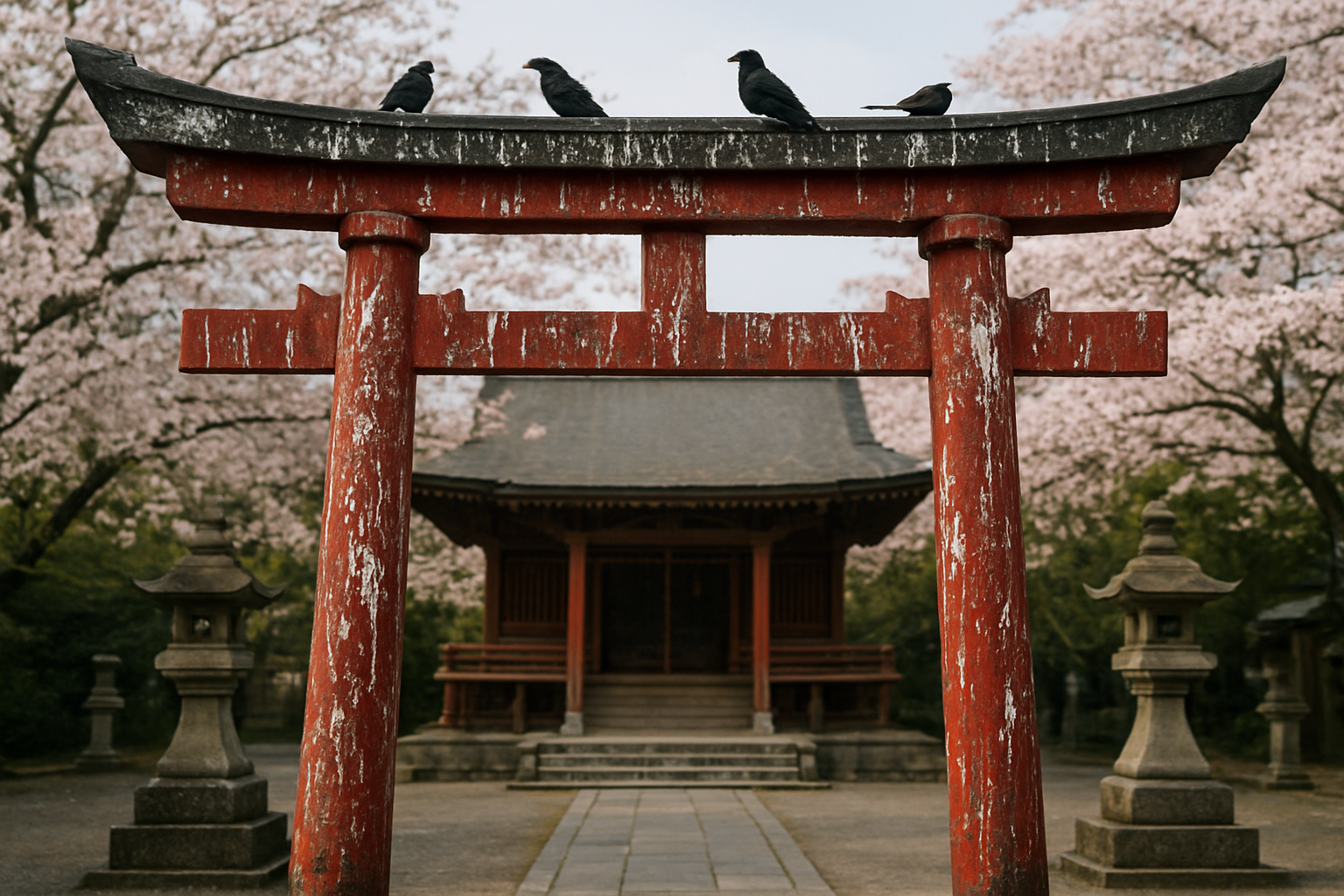
In Japanese culture, you’ll discover one of the most surprising linguistic twists that transforms an unpleasant experience into a fortunate encounter. The superstition surrounding bird droppings as good luck stems from a clever wordplay in the Japanese language. The word “un” (運) means “luck” and sounds remarkably similar to “unko” (うんこ), which is the word for excrement. This linguistic connection has created a cultural phenomenon where getting pooped on by a bird is actually considered a stroke of good fortune.
When you understand this wordplay, you begin to see how deeply language shapes cultural perceptions in Japan. The phonetic similarity between these two words has cemented this belief in the collective Japanese mindset, turning what would otherwise be an unfortunate mishap into a reason for celebration. This demonstrates how Japanese customs can find positive meaning even in life’s most unexpected and messy moments through the power of language and cultural interpretation.
Contrasting Western disgust with Japanese fortune-seeking
Your reaction to bird droppings likely depends entirely on your cultural background. If you’re from a Western country, bird droppings probably invoke feelings of disgust and frustration rather than joy. Generally, stepping in or getting pooped on by a bird is considered an unfortunate mishap that requires immediate cleanup and perhaps a change of clothes. In Western cultures, droppings are viewed as a nuisance and a sign of poor luck rather than a blessing from above.
This stark difference reveals broader cultural attitudes toward cleanliness and fortune. Western cultures often prioritize hygiene to such a degree that any animal dropping is met with immediate disdain and the urgent need for sanitization. The Japanese perspective, however, demonstrates a remarkable ability to reframe potentially negative experiences into positive ones. Where you might see mess and inconvenience, Japanese culture has found a way to see opportunity and good fortune.
Finding positivity in life’s most unpleasant surprises
The next time you find yourself in Japan and a bird leaves an unexpected present on your shoulder, you might want to reconsider your immediate reaction. Rather than rushing for tissues and feeling frustrated, this Japanese superstition encourages you to pause and appreciate the cultural significance of the moment. You’re now supposedly in line for an unexpected bit of fortune, according to this charming belief system.
This unique perspective serves as a delightful reminder that even the most mundane or unpleasant incidents can be imbued with deeper meanings and positivity when viewed through different cultural lenses. The Japanese approach to bird droppings demonstrates how cultural beliefs can completely transform your interpretation of everyday events, encouraging you to look for silver linings in life’s most surprising moments. Understanding these Japanese customs offers you an enriching glimpse into how different cultures can find hope and meaning in the most unexpected places.

These seven shocking Japanese customs reveal how deeply superstition intertwines with daily life in Japan. From avoiding the number 4 in architecture to hiding your thumbs when hearses pass by, each belief reflects profound cultural values of respect, mindfulness, and family devotion. Whether you’re avoiding nighttime nail cutting or being extra careful with your chopstick etiquette, these practices show how language, tradition, and spirituality shape everyday actions in ways that might surprise foreign visitors.
Understanding these customs isn’t just about avoiding cultural faux pas it’s about appreciating the rich tapestry of beliefs that make Japanese culture unique. When you encounter these superstitions during your travels or interactions with Japanese friends, approach them with curiosity and respect rather than skepticism. Even if bird droppings landing on you feels less than fortunate, remember that embracing these cultural perspectives opens doors to deeper connections and richer experiences in Japan.