
Have you ever dreamed of walking among the pharaohs, witnessing the construction of the Great Pyramid, or unraveling the mysteries of a civilization that existed over 5,000 years ago? Ancient Egypt stands as one of humanity’s most fascinating time capsules a civilization whose technological achievements and cultural sophistication continue to baffle modern experts. From pyramids perfectly aligned with celestial bodies to engineering feats that would challenge today’s best architects, Egypt isn’t just a destination; it’s a portal to another time.
What if the pyramids were more than just tombs? Positioned at the geographical center of Earth’s land mass and constructed with mathematical precision that aligns with the speed of light, these ancient structures have sparked theories about their true purpose from energy conduits to actual time machines. Even Stephen Hawking acknowledged the possibility of advanced knowledge behind their creation. Whether you’re drawn to the conventional historical narrative or the mystical theories surrounding Egypt’s monuments, one thing is certain: experiencing Ancient Egypt is the closest thing to time travel we may ever achieve.
Join us as we unlock the secrets of this extraordinary civilization from the distinct historical eras that shaped Egypt’s legacy to the engineering marvels that continue to defy explanation. We’ll venture beyond the tourist trail to experience daily life as the ancients did, explore alternative theories about the pyramids’ purpose, and discover the modern gateways that allow today’s travelers to connect with Egypt’s timeless past. 🕰️🔍🏺
Unlocking the Time Capsule: Ancient Egypt’s Historical Eras
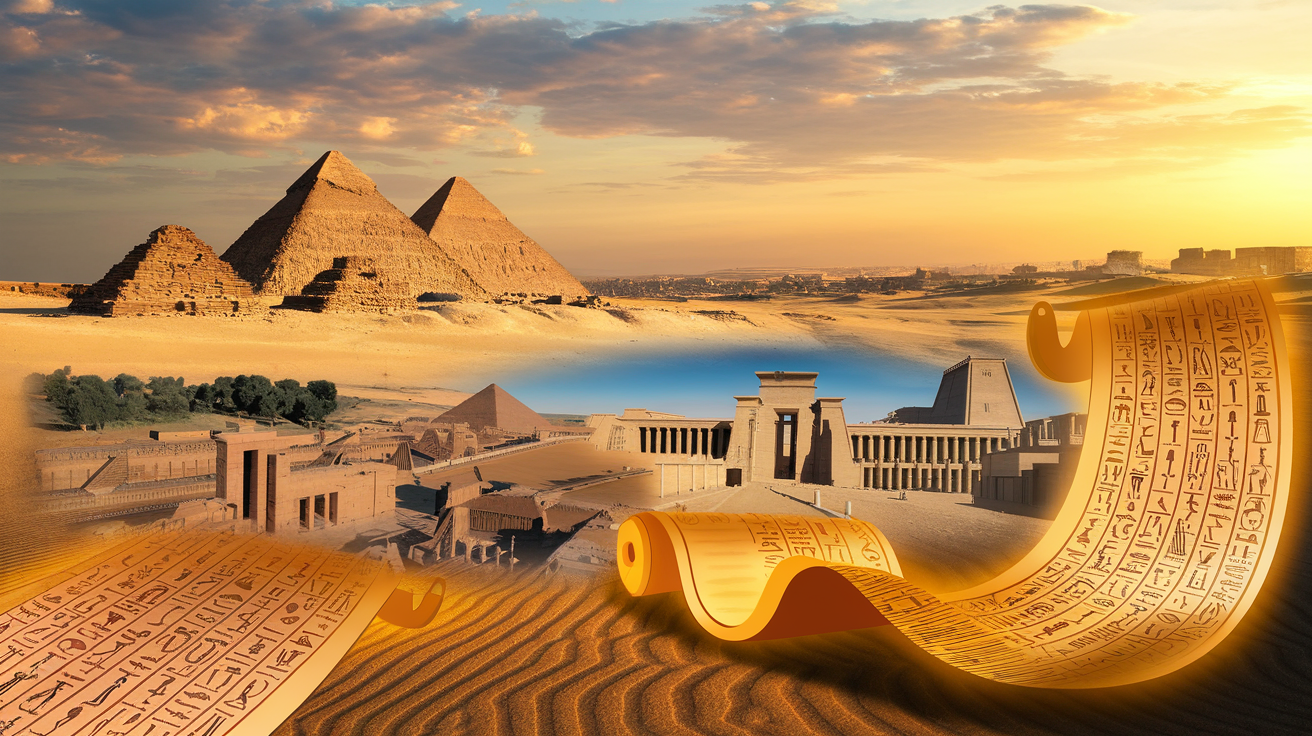
The story of ancient Egypt unfolds like a magnificent tapestry spanning thousands of years, each thread representing a distinct era that contributed to one of humanity’s most enduring civilizations. To truly experience ancient Egypt like a time traveler, one must first understand the rich historical timeline that shaped this remarkable culture along the banks of the Nile.
Egypt’s story begins around 11,000 BCE when early settlers first recognized the life-giving potential of the Nile Valley. These early inhabitants laid the foundation for what would become one of history’s most sophisticated societies, developing through distinct periods including the Predynastic, Early Dynastic, Old Kingdom, Middle Kingdom, New Kingdom, and later periods each with its own remarkable achievements and cultural expressions.
The Monumental Legacy of the Pyramids of Giza
The Pyramids of Giza stand as perhaps humanity’s most enduring monuments, serving as both silent witnesses to history and testaments to ancient Egyptian engineering prowess. These magnificent structures emerged during the Old Kingdom period (approximately 2686-2181 BCE), a time of unprecedented prosperity and centralized power in Egypt.
The most iconic of these structures, the Great Pyramid of Giza, was constructed for Pharaoh Khufu (also known as Cheops) around 2560 BCE. This architectural marvel originally stood 481 feet tall and consisted of approximately 2.3 million stone blocks, each weighing between 2.5 and 15 tons. For nearly 4,000 years, it remained the tallest human-made structure in the world a record only surpassed in the modern era.
What makes experiencing these monuments so remarkable is understanding the historical context in which they were created. The Old Kingdom represented Egypt’s first great flourishing a period of strong central government, religious development, and artistic innovation. The pyramids were not isolated monuments but part of a comprehensive mortuary complex that included temples, smaller pyramids for queens, boat pits, and elaborate processional ways.
The construction of the Great Pyramid and its companions at Giza reveals much about Old Kingdom society. These massive projects required not just architectural knowledge but sophisticated organizational systems to coordinate thousands of workers, artisans, and resources. Contrary to popular misconception, evidence suggests these monuments were built not by slaves but by skilled workers and farmers who participated during the Nile’s annual flood season when agricultural work was impossible.
Standing in the shadow of these massive structures today offers visitors a tangible connection to this pivotal era in Egyptian history. The precision of their construction with blocks fitted so precisely that a knife blade cannot be inserted between them and alignment to the cardinal directions with remarkable accuracy speaks to the advanced mathematical and astronomical knowledge of ancient Egyptian society.
Mystical Encounters with the Sphinx and Ancient Temples
No journey through Egypt’s historical eras would be complete without encountering the Great Sphinx, which guards the Giza pyramid complex with its enigmatic gaze. Carved during the Old Kingdom reign of Pharaoh Khafre (c. 2558-2532 BCE), this colossal limestone statue combines a human head (believed to represent the pharaoh) with the body of a lion, symbolizing royal power and divine protection.
The Sphinx represents another remarkable achievement of Old Kingdom artistic expression. During this period, Egyptian artists established conventions that would define Egyptian art for millennia including the distinctive two-dimensional representation of figures and the grid system for maintaining proper proportions. The Sphinx, however, broke new ground as a monumental three-dimensional sculpture carved from a single massive limestone outcrop.
Beyond Giza, Egypt’s historical timeline unfolds through a series of magnificent temples that span multiple eras. These sacred spaces evolved over time, reflecting the changing political and religious landscape of ancient Egypt. During the Middle Kingdom (2055-1650 BCE), Egypt experienced a cultural renaissance after the tumultuous First Intermediate Period. This era saw significant developments in religious practices, including the establishment of the Book of the Dead a collection of spells and instructions designed to help the deceased navigate the afterlife.
The New Kingdom (1550-1070 BCE) marked another golden age of temple construction. Under rulers like the female Pharaoh Hatshepsut and the warrior king Ramses II, Egypt’s empire expanded dramatically, bringing new wealth and architectural ambition. Temples from this period, such as Karnak and Luxor, reflect the kingdom’s imperial might and religious devotion, with massive columns, elaborate wall carvings, and monumental statuary.
These temple complexes served as more than religious centers they were economic powerhouses, educational institutions, and administrative hubs. The evolution of these spaces throughout Egypt’s historical eras provides visitors with a three-dimensional timeline of Egyptian cultural development, from the austere grandeur of Old Kingdom structures to the elaborate decorative programs of New Kingdom temples.
What makes these encounters truly mystical is understanding the symbolic language embedded in every architectural element and artistic detail. Hieroglyphic inscriptions, ritual scenes, and astronomical alignments transform these spaces from mere buildings into cosmic maps that connected the earthly realm with the divine. The invention of hieroglyphic writing around 3100 BCE during the Early Dynastic Period gave Egypt a powerful tool for recording its history and religious concepts a system that would remain in use for nearly 3,500 years.
Immersive Experiences at the Egyptian Museum in Cairo
While standing before the actual monuments provides an unparalleled connection to Egypt’s past, the Egyptian Museum in Cairo offers time travelers a different but equally valuable perspective on Egypt’s historical eras. Housing the world’s largest collection of Pharaonic antiquities, this institution allows visitors to trace the evolution of Egyptian art, technology, and daily life across millennia through carefully preserved artifacts.
The museum’s chronological arrangement guides visitors through Egypt’s complete timeline, beginning with Predynastic artifacts (before 3100 BCE) that reveal how early Egyptians developed the cultural foundations that would later flourish under unified rule. These early objects including pottery, ceremonial palettes, and primitive figures show the emergence of distinctive artistic styles and religious concepts that would later define Egyptian civilization.
The Early Dynastic Period (c. 3100-2686 BCE) represents a crucial moment in Egypt’s historical narrative. During this era, King Narmer (sometimes identified as Menes) unified Upper and Lower Egypt around 3100 BCE, establishing the first dynasty and beginning Egypt’s recorded history. Artifacts from this period, including the famous Narmer Palette, document this pivotal unification and the establishment of pharaonic rule a political system that would endure for three millennia.
The museum’s Old Kingdom collection showcases the remarkable artistic achievements that accompanied the pyramid age, including exquisite statuary that established the canonical forms of Egyptian royal portraiture. Middle Kingdom artifacts reflect the period’s emphasis on individual portraiture and advances in bronze technology, while objects from the Second Intermediate Period (1650-1550 BCE) reveal the influence of foreign Hyksos rulers who introduced new weapons and technologies to Egypt.
Perhaps the most spectacular museum exhibits come from the New Kingdom, including the treasures of Tutankhamun’s tomb, which provide unprecedented insight into royal burial practices. This extraordinary collection allows visitors to witness the technical mastery of Egyptian craftsmen and the lavish material culture of pharaonic courts during Egypt’s imperial age.
Later periods of Egyptian history are also well-represented, including artifacts from the Third Intermediate Period (1070-664 BCE), when bronze sculpting reached its peak, and the Late Period (664-332 BCE), when Egyptian artists drew inspiration from earlier eras while achieving new technical heights in sculpture and decorative arts. The museum’s Ptolemaic and Roman Period collections document Egypt’s final ancient chapters, showing how Egyptian culture adapted to foreign rule while maintaining its distinctive character.
What makes the Egyptian Museum particularly valuable for time travelers is its ability to contextualize the monuments and temples within the broader framework of Egyptian daily life, technology, and belief systems. Objects ranging from furniture and clothing to medical tools and musical instruments provide intimate glimpses into how ordinary Egyptians lived during different historical periods. The museum’s extensive collection of funerary items including sarcophagi, canopic jars, and mummification tools illuminates the evolution of Egyptian concepts of the afterlife and preservation practices.
The museum also houses the actual Rosetta Stone, discovered during Napoleon’s Egyptian campaign, which provided the key to deciphering hieroglyphics and unlocking Egypt’s written history. This remarkable artifact connects visitors to the long process of rediscovering Egypt’s ancient wisdom after it had been lost for centuries.
ALSO READ: Hidden Gems: 5 Underrated Ski Resorts You Must Visit
Now that we have unlocked the time capsule of Ancient Egypt’s historical eras, from the settling of the Nile Valley through the rise and fall of dynasties, we’ll next explore the engineering marvels that made these achievements possible. In the following section, “Exploring Ancient Marvels: Engineering Feats That Defy Time,” we’ll examine how Egyptian builders and craftsmen created monuments that have withstood millennia, revealing construction techniques and technological innovations that continue to astound modern engineers and archaeologists.
Exploring Ancient Marvels: Engineering Feats That Defy Time
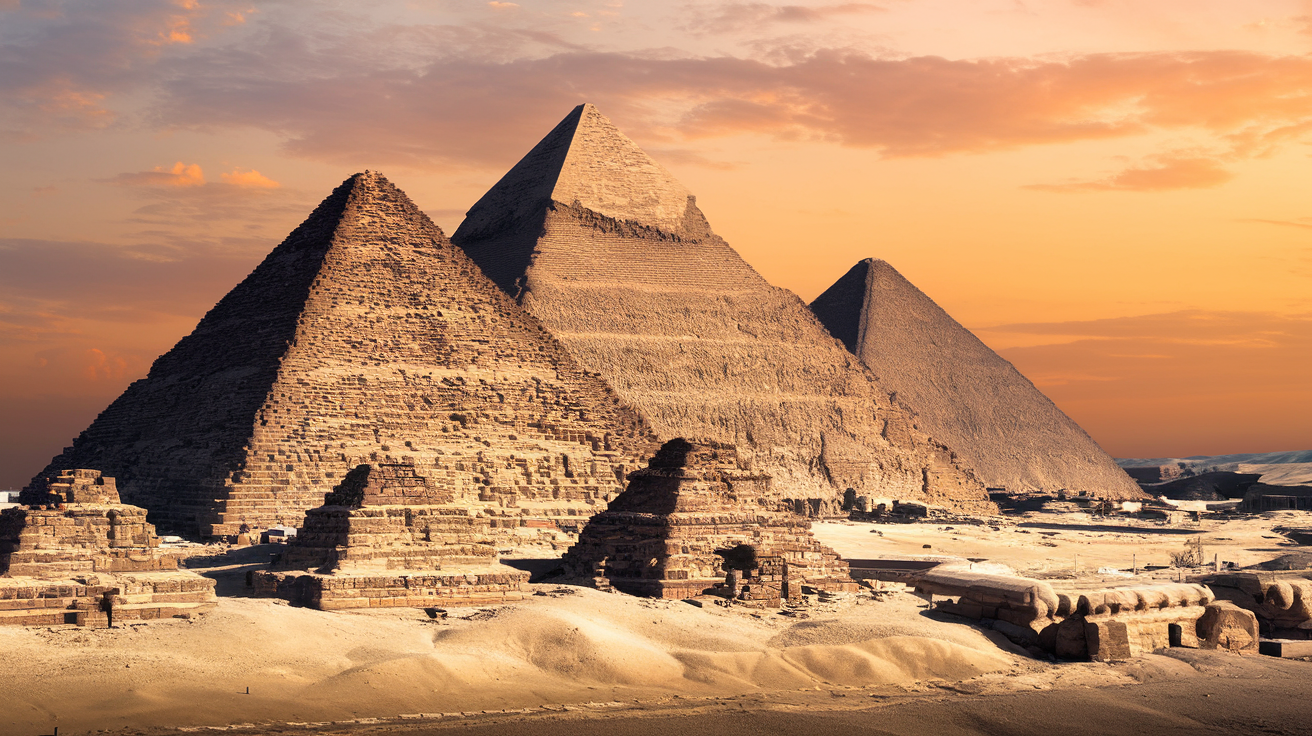
Now that we’ve journeyed through the historical eras that shaped ancient Egypt, we can appreciate how these time periods fostered some of humanity’s greatest engineering achievements. The monuments left behind are not merely structures of stone and mortar but testaments to an advanced civilization whose technological prowess continues to baffle modern experts.
The Mathematical Precision of Pyramid Construction
The Great Pyramid of Giza stands as perhaps the most compelling evidence of ancient Egyptian engineering genius. What makes these structures particularly fascinating is not just their size but the extraordinary mathematical precision with which they were constructed.
The ancient Egyptians demonstrated remarkable understanding of geometric principles that would challenge even modern builders. The Great Pyramid’s base forms an almost perfect square, with each side aligned to a cardinal direction with astonishing accuracy. The difference between the longest and shortest sides is less than 0.1% – a feat that would be impressive even with today’s advanced surveying tools.
The logistics of pyramid construction present questions that continue to perplex archaeologists and engineers alike. Consider that the Great Pyramid contains approximately 2.3 million stone blocks, some weighing up to 80 tons. Moving these massive stones from quarries, sometimes located hundreds of miles away, required ingenious solutions.
Several theories attempt to explain their construction methods:
Ramp Systems: The most widely accepted theory suggests the use of elaborate ramp systems to haul stones to increasing heights. These ramps may have spiraled around the pyramid or extended straight from one side.
Water Power Assistance: Some scholars have proposed innovative ideas involving water channels to assist in moving the heavy stones, utilizing principles of buoyancy to reduce friction.
Corbelled Engineering: The Egyptians mastered the corbelled arch, a technique where each successive layer of stones projects slightly beyond the one beneath it. This knowledge allowed them to create interior spaces without requiring the true arch, which hadn’t yet been developed.
What’s particularly remarkable is that these construction feats were accomplished without the wheel, pulleys, or iron tools. Instead, the Egyptians relied on copper tools, wooden sledges, and an intimate understanding of leverage and counterweight principles.
The creation of bronze tools around 3000 BCE marked a significant advancement in construction capability. By combining tin and copper, Egyptians produced more durable implements that could better shape the limestone and granite used in their monumental structures.
Decoding the Geographic Significance of Pyramid Placement
The placement of pyramids across the Egyptian landscape reveals a sophisticated understanding of geography and terrain that extends beyond mere convenience of construction. These massive structures were not arbitrarily positioned but reflect deliberate choices based on multiple factors.
The Giza pyramid complex demonstrates particular geographic significance. Situated on the west bank of the Nile, the location connects symbolically to Egyptian beliefs about death and the afterlife, as the west represented the land of the dead where the sun set each day. But practical considerations were equally important.
The Giza plateau offered several geographic advantages:
Solid Bedrock Foundation: The plateau provided stable limestone bedrock capable of supporting the immense weight of the pyramids without settling.
Proximity to Building Materials: While some stones were transported from distant quarries, the location allowed builders to utilize local limestone for much of the construction.
Access to Transportation Routes: The nearby Nile River facilitated the movement of materials and personnel, serving as an essential logistical artery for the massive construction projects.
The Egyptians’ mastery of irrigation techniques also influenced pyramid placement. Their ability to construct canals and reservoirs for efficient water management allowed them to transform the landscape around sacred sites. Archaeological evidence suggests they built harbors and water channels specifically to transport building materials to construction sites.
These engineering marvels required extensive planning and coordination, including the development of surveying techniques to properly lay out these massive structures. Egyptian engineers used tools like the merkhet (an alignment tool) and the bay (a sighting instrument similar to an astrolabe) to establish precise orientations and leveling.
The geographic distribution of pyramids across Egypt also follows patterns relating to political and religious significance. Major pyramid complexes mark centers of power during different dynasties, creating a geographical record of Egypt’s shifting capitals and power centers throughout its long history.
Ancient Egyptian Mastery of Astronomy and Cardinal Alignment
Perhaps the most awe-inspiring aspect of ancient Egyptian engineering was their integration of astronomical knowledge into architectural design. The precise alignment of pyramids and temples demonstrates an advanced understanding of celestial mechanics that served both practical and spiritual purposes.
The ancient Egyptians were meticulous astronomers, developing one of the world’s earliest accurate calendars. Based on observations of the star Sirius (which they called Sopdet), they created a 365-day calendar that closely approximated the solar year. This calendar guided not only religious ceremonies but also agricultural cycles and construction timing.
The astronomical precision of Egyptian monuments is most evident in their cardinal alignments:
The Great Pyramid’s sides are oriented almost perfectly to true north, with an error of less than 0.05 degrees. This accuracy surpasses that of modern buildings constructed before the age of GPS and laser surveying.
Alignment with Solar Events: Many temples and monuments were positioned to interact with the sun during solstices and equinoxes, creating dramatic lighting effects that coincided with important religious festivals.
Stellar Alignments: Some structures appear aligned with specific stars or constellations that held religious significance, such as Orion’s belt, which was associated with the god Osiris.
This astronomical knowledge wasn’t merely theoretical it had practical applications. By observing the annual flooding of the Nile in relation to stellar positions, Egyptians could predict agricultural cycles with remarkable accuracy. Their solar calendar eventually influenced calendar development throughout the Mediterranean world and beyond.
The integration of astronomy with architecture demonstrates how Egyptian science served both practical and spiritual purposes. Temple orientations followed astronomical alignments that created solar phenomena on specific dates, reinforcing the pharaoh’s divine connection to celestial powers.
To achieve these precise alignments, Egyptian architects and astronomers worked together using tools like the merkhet to track stellar movements and establish true north. These observations required generations of consistent record-keeping and knowledge transfer, highlighting the sophisticated educational systems that supported such engineering feats.
The Edwin Smith Papyrus, dating to approximately 1600 BCE, along with other ancient texts, provides evidence of the Egyptians’ systematic approach to knowledge. While known primarily for medical information, these texts reveal a culture that valued precise measurement and documentation essential skills for their monumental construction projects.
Their mastery of cardinal directions extended beyond monuments to city planning and agricultural layouts. Irrigation canals and field boundaries often followed cardinal alignments, creating an ordered landscape that reflected cosmic order on Earth a concept central to Egyptian religious thought.
The technological advancements that made these engineering feats possible didn’t happen in isolation. They emerged from a culture that valued innovation across multiple disciplines. From the invention of papyrus for record-keeping to the development of specialized tools for construction, Egyptian civilization created an ecosystem of innovation that supported their monumental ambitions.
With their profound understanding of mathematics, astronomy, and engineering principles, ancient Egyptians created structures that have withstood the test of time. These monuments continue to inspire wonder not just for their size but for the sophisticated knowledge systems they represent.
As we transition from examining these engineering marvels to exploring ancient Egyptian daily life in our next section, we’ll discover how these technological achievements influenced ordinary citizens. Beyond the grand monuments that capture our imagination, the Egyptians created innovations that transformed everyday existence from household items to agricultural techniques. In “Beyond the Tourist Trail: Experiencing Ancient Egyptian Life,” we’ll uncover how common Egyptians lived among these engineering wonders, and how their daily routines both supported and were shaped by their civilization’s remarkable achievements.
Beyond the Tourist Trail: Experiencing Ancient Egyptian Life
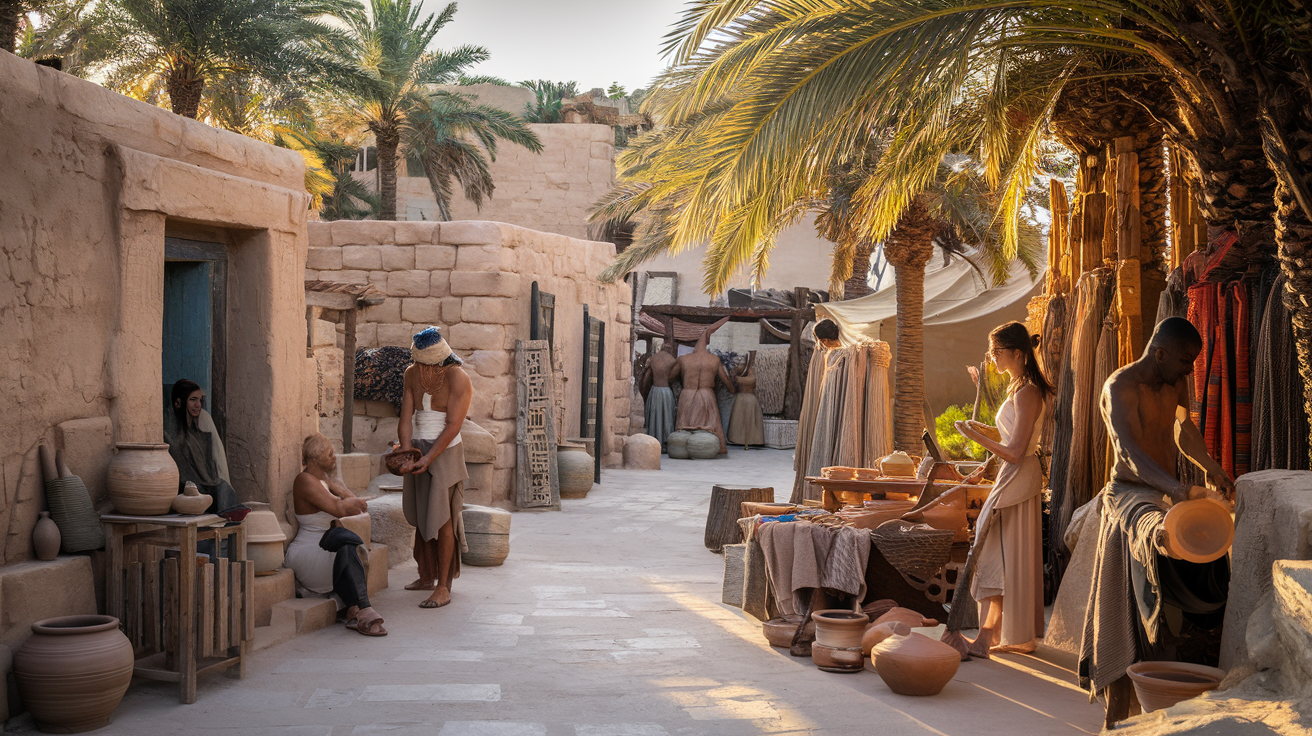
Now that we have explored the magnificent engineering feats that have stood the test of time, it’s time to step beyond these stone marvels and delve into something equally fascinating – the daily lives of the people who built and lived among these structures. While the pyramids and temples showcase ancient Egyptian ingenuity, understanding how ordinary citizens lived offers a more intimate connection to this ancient civilization.
Cultural Immersion in Ancient Religious Practices
The ancient Egyptians weren’t the death-obsessed people often portrayed in popular media. Rather, they embraced life with remarkable enthusiasm while maintaining a profound connection to spiritual practices. Central to their worldview was the concept of “ma’at” – a principle of balance, harmony, and peaceful coexistence that guided both individual conduct and societal norms.
Religious practices permeated every aspect of Egyptian life, from the royal courts to humble farming communities. For the pharaoh, each day began with elaborate ceremonial activities led by priests. These morning rituals honored Ra, the sun god, reinforcing the pharaoh’s divine status and connection to the cosmos. The pharaoh, attended by servants who bathed and dressed them in the finest materials, embodied the living bridge between humanity and the gods.
For common Egyptians, religious observance was equally important but took more practical forms. Their conception of the afterlife was particularly nuanced – rather than a separate realm entirely different from earth, they envisioned it as a continuation of their earthly existence. This belief profoundly influenced how they lived, motivating them to:
- Lead meaningful, purposeful lives
- Ensure their names and deeds would be remembered
- Maintain proper conduct according to ma’at principles
- Prepare appropriately for the transition to the afterlife
Festivals formed another crucial aspect of religious practice, bringing communities together to celebrate significant religious and historical events. These celebrations reinforced social bonds while honoring the gods who oversaw Egypt’s prosperity. Through active participation in these communal events, ancient Egyptians expressed their gratitude and maintained spiritual connections that transcended daily concerns.
Navigating the Daily Life of Ancient Egyptians
The daily rhythm of life in ancient Egypt varied dramatically depending on one’s social position, yet followed certain universal patterns dictated by natural cycles, particularly the rise and fall of the Nile and the movement of the sun.
The Farmer’s Day
For the vast majority of Egyptians – the farmers who formed the backbone of the economy – life followed the agricultural calendar with remarkable consistency:
- Early Morning: Farmers rose before dawn to take advantage of cooler temperatures, beginning their day with a simple breakfast of coarse bread, onions, and beer.
- Morning Work: Field labor dominated the morning hours, with men planting crops like wheat and lentils or harvesting according to the season. Often they sang to lighten the burden of physical labor.
- Midday: As temperatures peaked, work might slow or shift to shadier tasks.
- Afternoon: Agricultural activities continued, adapted to seasonal needs. During the inundation period when farming was impossible, farmers might be redirected to state construction projects.
- Evening: The day concluded with a simple family dinner, strengthening community bonds before rest and preparation for the next day’s labor.
Despite the common perception, these farmers and construction workers weren’t slaves in the traditional sense. While ancient Egypt did practice forms of slavery, these were generally circumstantial (resulting from debt or war) rather than systematic or ethnically based. In fact, the magnificent monuments we admire today were built by skilled laborers who received compensation for their work.
The Scribe’s Life
Literacy was highly valued in ancient Egyptian society, and scribes occupied a privileged position that offered opportunities for social mobility. A typical day for a scribe might include:
- Recording tax information and legal documents
- Accompanying officials on field inspections
- Maintaining inventories of goods and resources
- Documenting important state decisions and events
Scribes often began their careers through formal education, mastering the complex hieroglyphic system and gaining knowledge that set them apart in a largely illiterate society. Interestingly, many physicians started as scribes, highlighting the interconnected nature of writing and medical knowledge in ancient Egypt.
The Pharaoh’s Daily Routine
At the apex of society, the pharaoh’s day reflected both ceremonial and administrative responsibilities:
- Morning: Religious rituals and prayers led by priests
- Midday: State affairs, meetings with officials, and decision-making sessions recorded by court scribes
- Afternoon: Continuation of religious and administrative duties
- Evening: Elaborate meals, entertainment, and final meetings before retiring
This structured routine reinforced the pharaoh’s dual role as both political leader and divine figure, maintaining order in both earthly and cosmic realms.
Social Hierarchy and Mobility
Egyptian society was distinctly stratified, with clear divisions between:
- The royal family and nobility
- Priests and high officials
- Scribes, artists, and skilled craftspeople
- Merchants and traders
- Soldiers and military personnel
- Farmers and laborers
- Servants and those in bondage
While social mobility was limited, certain pathways existed for advancement. Military service offered one such route, as Egypt’s evolution from local militias to a standing army created opportunities for capable individuals to rise through the ranks. Similarly, developing specialized skills as an artist, craftsperson, or scribe could elevate one’s social standing through valuable service to the elite.
The Art and Symbolism That Transcends Millennia
Ancient Egyptian art wasn’t merely decorative – it served as a sophisticated visual language that communicated complex religious and cultural concepts. Every element in Egyptian artistic representation carried symbolic weight, from the standardized poses of figures to the vibrant color palette employed.
Artistic Conventions and Meaning
Egyptian art followed strict conventions that remained remarkably consistent for thousands of years:
- Human figures depicted with the head in profile but eye and shoulders frontal
- Size indicating importance (pharaohs and gods larger than ordinary people)
- Hierarchical scaling to show social status
- Standardized color symbolism (yellow for eternity, blue for fertility, etc.)
These artistic choices weren’t aesthetic limitations but deliberate decisions that emphasized clarity of meaning over naturalistic representation. The goal wasn’t to capture a moment in time but to express eternal truths about the subject.
Art in Daily Life
While we often focus on the grand artistic achievements in tombs and temples, art permeated everyday Egyptian life. Ordinary homes featured decorative elements, household items incorporated symbolic designs, and even simple objects like combs and mirrors displayed artistic motifs. This integration of art into daily objects reflects how thoroughly artistic expression was woven into the cultural fabric.
The clothing of ancient Egyptians also reflected their artistic sensibilities and social standing. While lower classes typically wore simple linen garments suited to the hot climate, the elite displayed their status through finely woven fabrics, elaborate jewelry, and cosmetics. These weren’t merely fashion choices but expressions of identity within the social order.
Food and Diet
The Egyptian diet was predominantly plant-based, particularly for the lower classes. Staples included:
- Bread made from emmer wheat
- Vegetables like onions, garlic, and leeks
- Pulses and legumes
- Beer (a dietary staple safer than water)
- Fruits including dates and figs
Meat consumption was largely limited to the upper classes, highlighting another dimension of social stratification. Fish from the Nile provided a more accessible protein source for ordinary Egyptians. This largely vegetarian diet, supplemented with beer as a source of calories and nutrients, sustained the population through their daily labors.
Leisure and Recreation
Despite their reputation for monumental building projects and religious devotion, ancient Egyptians valued leisure and enjoyed a variety of recreational activities:
- Board games like Senet (which had religious significance connected to the afterlife journey)
- Various sports and physical competitions
- Reading and storytelling among the literate classes
- Music and dance during celebrations and everyday life
- Social gatherings that strengthened community bonds
These activities weren’t merely diversions but important cultural practices that reinforced social connections and provided balance to working life. The popular board game Senet, for instance, carried symbolic associations with the soul’s journey through the afterlife, blending entertainment with spiritual significance.
With this intimate understanding of ancient Egyptian daily life, we begin to see these people not as distant historical figures but as individuals with recognizable hopes, struggles, and joys. Their deep respect for balance in all things – work and leisure, earthly concerns and spiritual preparation – offers valuable perspective even to modern travelers seeking meaning beyond the monumental structures.
As we’ve seen how the ancient Egyptians lived their daily lives amidst these magnificent structures, we can now turn our attention to some of the more mysterious aspects of their civilization. In the next section, “Mystical Theories: The Pyramids as More Than Tombs,” we’ll explore the fascinating alternative interpretations of Egypt’s most iconic structures, examining theories that suggest these monuments served purposes far beyond the purely funerary.
Mystical Theories: The Pyramids as More Than Tombs
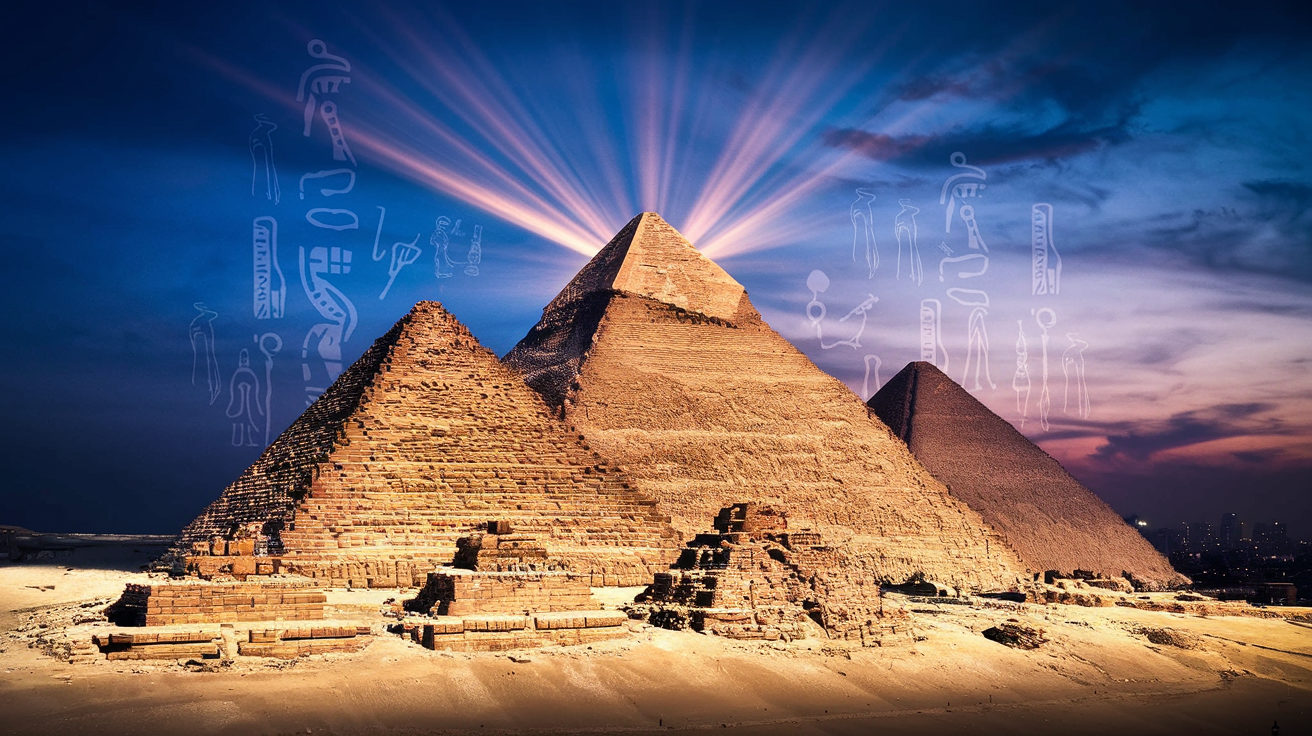
Now that we’ve explored how to experience ancient Egyptian daily life beyond the typical tourist attractions, let’s delve into some of the more mysterious aspects of Egypt’s most iconic structures. While wandering through recreated villages and participating in historical reenactments gives us insight into how ordinary Egyptians lived, the grandeur of the pyramids continues to provoke questions that transcend conventional historical understanding.
The Great Pyramid of Giza, constructed during the Fourth Dynasty around 2580–2560 BCE for Pharaoh Khufu, has traditionally been viewed as an elaborate tomb. However, recent archaeological discoveries and alternative theories suggest these magnificent structures may have served multiple purposes beyond housing the deceased pharaohs. Let’s explore some of the most compelling mystical theories that challenge our understanding of these ancient marvels.
Energy Conduits and Cosmic Connections
The architectural precision of the Great Pyramid reveals a sophisticated knowledge of mathematics and astronomy that continues to astound modern engineers. Its perfect alignment with cardinal points goes beyond coincidental placement, reflecting the ancient Egyptians’ deep understanding of celestial mechanics. This alignment has led some researchers to propose that the pyramids functioned as more than mere tombs they may have served as cosmic observatories or energy conduits.
Recent archaeological efforts using advanced technologies have discovered previously unknown chambers and tunnel systems within the Great Pyramid. These findings suggest a more complex internal structure than earlier believed, potentially indicating functions beyond burial purposes. The precise orientation of these internal passages aligns with specific star systems, particularly those associated with Orion’s belt, reinforcing theories about their astronomical significance.
The Great Pyramid’s architectural design incorporates sophisticated mathematical principles, including the golden ratio and pi, which appears intentionally embedded in its proportions. This mathematical precision has led some theorists to suggest that the structure was designed to harness cosmic energy. The limestone outer casing (much of which has been removed over centuries) and granite interior chambers may have created an environment capable of amplifying electromagnetic energy, potentially serving as what some alternative researchers describe as an “energy plant.”
The cosmological beliefs of ancient Egyptians centered around the pharaoh’s journey to the afterlife, with the pyramid potentially functioning as a mechanism to facilitate this transition. The structure’s design may have symbolized the pharaoh’s ascension to join the circumpolar stars, which the Egyptians associated with immortality. These cosmic connections suggest that the pyramids might have been designed as interfaces between the earthly realm and the cosmos.
The Controversial Time Travel Hypothesis
Among the more speculative theories discussed in alternative archaeological circles is the notion that the pyramids might be connected to concepts we would today associate with time manipulation or interdimensional travel. This controversial hypothesis has gained attention through platforms like Joe Rogan’s podcast, where guests such as Graham Hancock have presented alternative narratives challenging conventional archaeological timelines.
Hancock’s work, particularly his book “Fingerprints of the Gods,” proposes the existence of highly advanced civilizations predating recorded history. According to this perspective, these sophisticated societies possessed knowledge in astronomy, engineering, and potentially other sciences that conventional archaeology hasn’t fully recognized. The technological achievements evident in structures like the Great Pyramid serve as potential evidence for this lost knowledge.
The time travel hypothesis connects to discussions about how ancient civilizations could have possessed the engineering capabilities to construct these massive structures with such precision. The Great Pyramid of Giza demonstrates remarkable accuracy in its construction, with blocks weighing several tons fitted together with minimal gaps. This precision has led some to question whether the tools conventionally attributed to ancient Egyptians were sufficient for such achievements or if more advanced technologies might have been involved.
Supporting these alternative timelines, some researchers point to carbon dating discrepancies that challenge established chronologies. These inconsistencies have been highlighted in discussions featuring Dan Richards, suggesting potential gaps between archaeological findings and historical accounts. While mainstream archaeology has explanations for these discrepancies, they continue to fuel speculation about lost technologies and alternative historical narratives.
The Younger Dryas Impact Hypothesis, supported by researchers mentioned in the reference content, proposes that a catastrophic comet impact approximately 12,800 years ago caused significant climate changes and mass extinctions. This event potentially erased advanced civilizations, leading to a technological regression in humanity. Under this framework, the pyramids might represent remnants of knowledge preserved from before this catastrophic event knowledge that included advanced concepts we’re only beginning to understand today.
Unexplained Technologies in Ancient Egyptian Artifacts
Beyond the pyramids themselves, numerous Egyptian artifacts display technological capabilities that seem advanced for their time. These unexplained technologies further support the notion that ancient Egyptians possessed knowledge that has either been lost or is not fully appreciated by conventional archaeology.
The construction of the Great Pyramid itself represents a remarkable technological achievement. Built during the reign of Pharaoh Khufu, it took approximately 20 years to complete using what recent evidence suggests was a workforce of skilled laborers rather than slaves. This challenges previous assumptions about its construction and raises questions about the organizational and technological capabilities of ancient Egyptian society.
Archaeological investigations have revealed that the blocks used in pyramid construction were cut with remarkable precision. Some researchers have noted that certain artifacts show evidence of machining techniques that would be challenging to achieve with the bronze and copper tools conventionally attributed to ancient Egyptians. These observations have led to speculation about lost technologies that might have facilitated more efficient and precise stoneworking.
The debate surrounding the age of the Sphinx, as highlighted by geologist Robert Schoch, further complicates our understanding of ancient Egyptian technological capabilities. Schoch argues that weathering patterns on the Sphinx indicate it is significantly older than mainstream archaeology suggests, potentially predating known Egyptian civilization. If true, this would require a reevaluation of the technological capabilities of earlier societies.
Similar architectural and engineering techniques found in pyramids across various cultures including those in Peru, Japan, and Egypt have led some researchers to propose shared construction knowledge. These cross-cultural similarities, noted by Jimmy Corsetti and Ben van Kerkwyk in their discussions, suggest the possibility of global knowledge transfer or independent development of similar advanced techniques across different civilizations.
Archaeological sites like Göbekli Tepe in Turkey, which predates conventional understanding of when complex monumental architecture began, further challenge established narratives about early human capabilities. These sites hint at sophisticated knowledge systems potentially erased or obscured by catastrophic events. When viewed alongside Egyptian monuments, they suggest a more complex technological history than previously acknowledged.
The spiritual significance attributed to these structures by ancient Egyptians intertwines with their technological achievements. The pyramids were not merely engineering projects but represented deep cosmological concepts. This integration of spiritual and technological purposes might explain some of the more mysterious aspects of pyramid design that don’t appear to serve obvious practical functions from a modern perspective.
The ongoing research into these unexplained technologies continues to enrich our understanding of ancient Egyptian civilization. As modern instruments become more sophisticated, researchers discover new aspects of these ancient structures that weren’t previously detectable. These discoveries continuously reshape our perspective on what ancient Egyptians could achieve and how they understood their world.
The Ongoing Quest for Understanding
The Great Pyramid’s influence extends far beyond its original context, impacting modern architecture and permeating popular culture as a symbol of mystery and ingenuity. Its complex internal structure, precise astronomical alignments, and mathematical proportions continue to inspire both scholarly research and alternative theories about its purpose and construction.
While exploring these mystical theories about the pyramids, it’s important to approach them with critical thinking while maintaining an open mind. The continued academic inquiry into these structures ensures that our understanding of ancient Egyptian civilization keeps evolving. The mysteries surrounding the pyramids remind us that history is not a fixed narrative but an ongoing conversation between the past and present.
With these enigmatic theories in mind, our next section will explore the “Modern Gateways to Ancient Egypt,” where we’ll discover how today’s travelers can access these ancient wonders through museums, digital reconstructions, and immersive experiences that bridge the gap between contemporary life and the distant past. These modern portals allow us to engage with Egypt’s mysteries firsthand, whether we’re pursuing conventional archaeological knowledge or exploring alternative perspectives on these timeless monuments.
Modern Gateways to Ancient Egypt
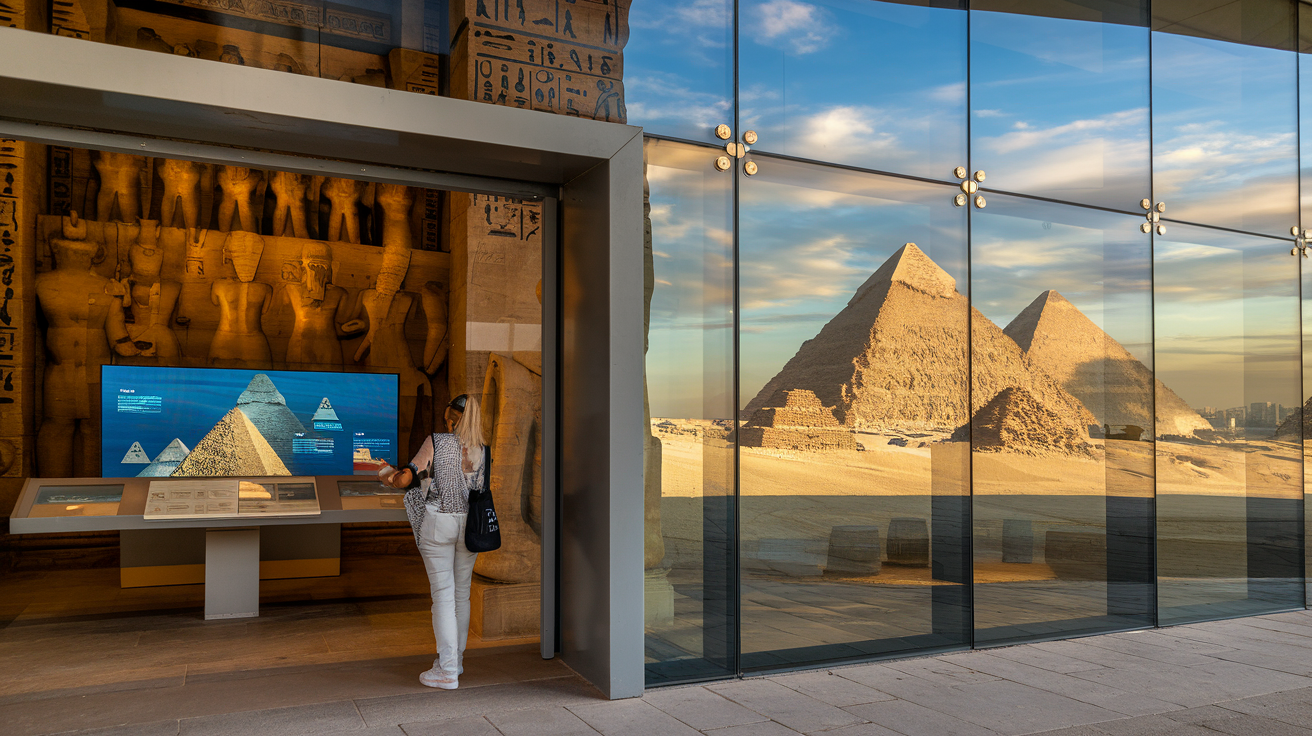
Now that we’ve explored the mystical theories surrounding the pyramids beyond their function as tombs, let’s shift our focus to how modern travelers can experience ancient Egypt in the present day. While the ancient civilization’s remnants have stood for millennia, contemporary developments offer new and immersive ways to connect with Egypt’s rich historical tapestry.
The New Grand Egyptian Museum: A Contemporary Window to Antiquity
The Grand Egyptian Museum represents one of the most significant modern gateways to experiencing ancient Egypt’s splendors. This architectural marvel serves as a bridge between contemporary museology and antiquity, housing countless treasures that span Egypt’s diverse historical timeline. Unlike the older Egyptian Museum, this new institution employs cutting-edge preservation and display techniques that allow visitors to witness artifacts in contexts that more accurately reflect their original settings.
The museum’s collections showcase items from all seven of Egypt’s UNESCO World Heritage Sites, including Historic Cairo, Ancient Thebes and its Necropolis, Memphis and its Necropolis, and the Nubian Monuments. These collections offer unparalleled insights into Egypt’s cultural legacy across different historical periods. The museum’s extensive collection provides context for iconic landmarks such as the Giza Pyramids and the Salah El-Din Citadel, creating a comprehensive educational experience that prepares visitors for exploration beyond the museum’s walls.
Particularly noteworthy is the museum’s presentation of artifacts from the Great Pyramid of Giza, one of the original Seven Wonders of the Ancient World. These exhibits highlight the architectural brilliance of ancient Egyptian builders and provide valuable context for understanding how these monumental structures were conceived and constructed. The museum’s curatorial approach helps visitors comprehend the engineering feats that produced these timeless monuments.
For time-travel enthusiasts, the museum’s opening hours align with Egypt’s tourism schedule, operating from 6:00 AM to 5:00 PM during December to March and from 6:00 AM to 4:00 PM from April to November, with special hours during Ramadan from 6:00 AM to 4:00 PM. This schedule allows visitors to plan their museum visit as part of a comprehensive exploration of Egypt’s historical treasures.
Sailing the Nile: Retracing Ancient Trade Routes
After immersing yourself in the museum’s treasures, there’s no better way to experience ancient Egypt than by sailing the very waterway that gave life to this remarkable civilization. The Nile River, which has sustained Egyptian civilization for millennia, offers modern travelers the opportunity to retrace ancient trade routes and experience landscapes much as ancient Egyptians would have viewed them.
Modern Nile cruises typically connect many of Egypt’s most significant archaeological sites, providing convenient access to locations like Luxor Temple, constructed by Amenhotep III and dedicated to the god Amun. This impressive structure, which was later incorporated into Roman fortifications, exemplifies the layered history of many Egyptian monuments. Sailing the Nile allows visitors to appreciate how the river connected these disparate sites into a cohesive civilization.
The journey often includes stops at Dendera near Luxor, which features well-preserved ancient ruins including the Temple of Hathor and a Christian chapel. This site demonstrates the religious evolution of Egypt through different historical periods. Nile cruises typically also visit the Valley of the Kings, which served as the burial site for pharaohs from the Eighteenth to the Twentieth Dynasties. The numerous ancient tombs carved into limestone showcase the artistry and religious beliefs of ancient Egypt.
Beyond the major archaeological sites, Nile cruises offer glimpses of Egypt’s stunning islands, including pristine sandbars and lush river islands. These natural features provided essential agricultural land for ancient Egyptians and continue to support traditional lifestyles today. The river cruise experience allows travelers to witness the changing landscapes that have shaped Egyptian civilization throughout its long history.
The Nile’s importance as an ancient trade route becomes apparent as you sail past locations that once served as vital commercial hubs. From the comfort of a modern vessel, travelers can appreciate how the river facilitated the transportation of goods and materials used in constructing Egypt’s monumental architecture. The experience offers a unique perspective on how the Nile served as the lifeblood of ancient Egyptian civilization, supporting both its agricultural needs and its ambitious building projects.
Digital Reconstructions and Virtual Reality Experiences
For those seeking cutting-edge methods to experience ancient Egypt, digital reconstructions and virtual reality offer unprecedented access to historical sites as they appeared in their prime. These technologies allow visitors to witness reconstructed versions of partially ruined structures and experience ancient environments in ways previously impossible.
Digital reconstructions at sites like Saqqara, the ancient necropolis of Memphis, bring to life the numerous burial chambers and pyramids, including the oldest complete stone building complex, now recognized as a UNESCO World Heritage site. These reconstructions help visitors visualize how these structures appeared when newly built, providing insights into their original architectural splendor.
Virtual reality experiences are particularly valuable at complex sites like Abu Simbel, known for its impressive rock temples dedicated to Ramesses II. These technologies allow visitors to experience the temples’ original alignment with the sun and stars, demonstrating the astronomical knowledge incorporated into their design. Virtual reconstructions reveal details that might otherwise remain invisible to the modern observer.
In Alexandria, digital reconstructions of the Underground Library, which consists of tunnels and storerooms beneath the Serapeum, offer glimpses of what might have been part of the Great Library’s collection. Similarly, virtual reconstructions of the Villa of the Birds, which dates back to Emperor Hadrian’s era, highlight the intricate pavements that made this archaeological discovery significant.
These digital gateways to ancient Egypt extend beyond major tourist sites to include lesser-known locations like the El Alamein Battlefield, which marks a crucial Allied victory in World War II. Though more recent than pharaonic sites, this location represents an important chapter in Egypt’s long history, with Winston Churchill describing it as a turning point in the conflict. Digital reconstructions help visitors understand the strategic importance of this battlefield within its historical context.
The advantage of digital and virtual reality experiences lies in their ability to present multiple interpretations of archaeological evidence. At sites where scholarly opinions differ regarding original appearances, these technologies can present alternative reconstructions, allowing visitors to consider various possibilities. This approach is particularly valuable when examining complex structures like the Pyramids of Giza, where the largest pyramid built for Pharaoh Khufu (also known as Cheops) has inspired numerous theories about its construction and purpose.
For travelers with limited time or mobility, these digital experiences provide access to remote or difficult-to-reach sites. Virtual tours of Pompey’s Pillar in Alexandria, a solitary granite column that stands as a remnant of Roman architecture (despite its misattribution to Pompey when it was actually dedicated to Emperor Diocletian), allow visitors to examine details that might be difficult to observe in person.
These modern technological gateways complement traditional tourism by providing context and background information that enhances on-site experiences. By combining digital reconstructions with physical visits, travelers can achieve a more comprehensive understanding of ancient Egypt, appreciating both its monumental architecture and the daily life of its inhabitants.
The immersive nature of these digital experiences represents a revolutionary approach to historical tourism, allowing visitors to engage with ancient Egypt through multiple senses. Rather than merely observing ruins, travelers can now experience reconstructed environments that convey the atmosphere and ambiance of ancient Egyptian spaces, creating memories that more closely approximate genuine time travel.
By utilizing these modern gateways the Grand Egyptian Museum, Nile cruises, and digital reconstructions contemporary travelers can experience ancient Egypt with unprecedented depth and authenticity. These approaches transform traditional tourism into something closer to time travel, allowing visitors to connect with Egypt’s remarkable past in ways previous generations could only imagine.
Stepping Through Time’s Gateway
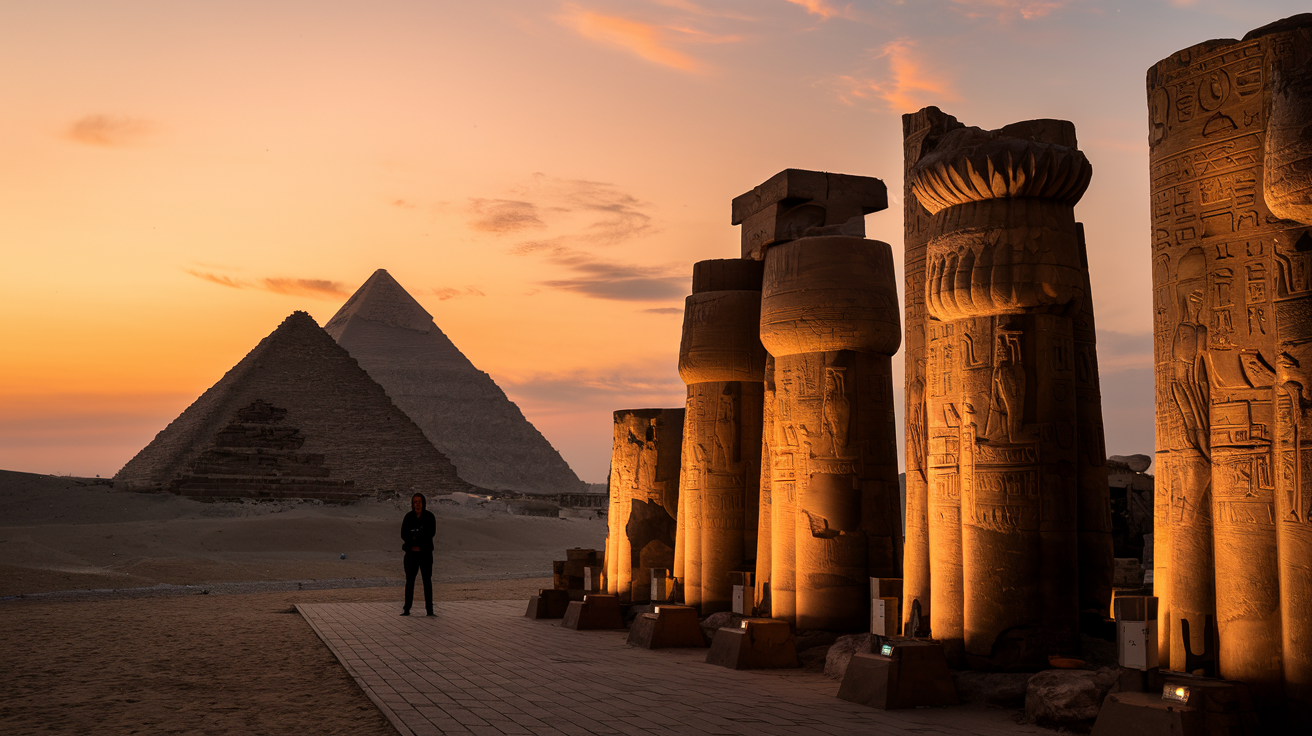
Egypt stands as a living time capsule where history’s pages unfold before your eyes. From the engineering marvels of the Great Pyramid and Sphinx to the bustling medieval bazaars and modern landmarks, Egypt invites you to become a temporal explorer. The ancient civilization’s impressive mathematical precision, astronomical alignments, and engineering capabilities continue to challenge our understanding of what was possible millennia ago.
Whether you’re contemplating the enigmatic purpose of the pyramids royal tombs or perhaps something more profound like energy conduits or even time-travel gateways Egypt offers endless opportunities for wonder and discovery. As you walk where pharaohs once ruled and explore temples aligned with the stars, you become part of Egypt’s continuing story. Pack your curiosity, open your mind to mysteries that span thousands of years, and embark on your own time-traveling adventure to experience the enduring magic of ancient Egypt.